
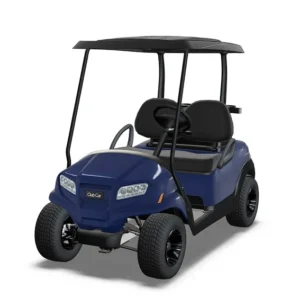
 Discover
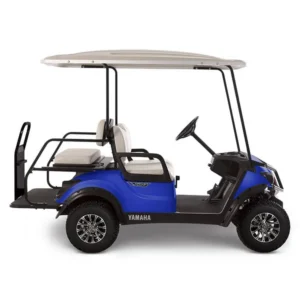
 Yamaha Adventurer Sport 2+2 – 4 seater
Standard Features • 48-volt AC motor with 6.7 hp (5.0 KW) output rating • NEOS 350 amp Toyota-built AC controller…
$13,330.00View vehicle
PRIME VOLT VEHICLES — ELECTRIC BY DESIGN
Thoughtfully selected electric vehicles for neighbourhood journeys, golf, guest transport and everyday work. Explore the live collection, find a format that fits, and speak with our team when you are ready to compare.
A BETTER FIT FOR EVERYDAY MOVEMENT
From individual rides to shared journeys and practical site transport, the right vehicle starts with the route, the riders and the work it needs to do. Prime Volt brings the collection together with clear paths to products, categories, brands, rentals, parts and service—so you can explore at your own pace and ask better questions along the way.
FIND YOUR FORMAT
Category cards use the live WooCommerce catalogue. New product categories appear here automatically once they contain a published product.
THE MAKERS
Brand tiles are generated from WooCommerce product brands and link to their live brand archives.
RECENTLY ADDED
Discover Standard Features • 48-volt AC motor with 6.7 hp (5.0 KW) output rating • NEOS 350 amp Toyota-built AC controller…
 Discover
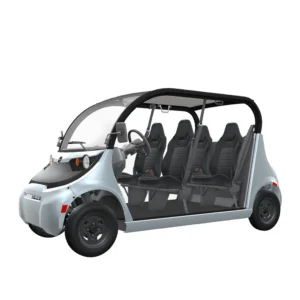
 GEM e4 Specifications Base Configuration 4-Passenger / Maintenance Free Lithium-Ion Battery / 1 kW Standard Onboard Charger Motor 6.5 kW…
 Discover
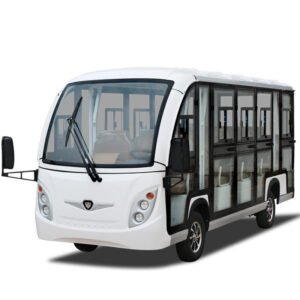
 14 Seater Electric Sightseeing Bus Model A14F System 48V /5KW AC system Key Components Battery Huge capacity deep cycle lead-acid…
 Discover
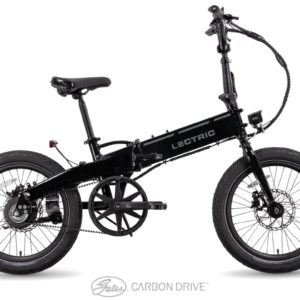
 SPECIFICATION Bike Unfolded 64L x 25W x 41.5H” Stand Over Height 22” Bike Folded 36L x 16W x 27H” Handlebar…
This row always features the newest published product listings. Check each listing for current specifications, pricing and availability.
FROM FIRST QUESTION TO EVERYDAY USE
Finding a vehicle is only one part of choosing well. You may want help comparing a layout, planning a rental, locating a compatible part or understanding service options. Use the pages below to move directly to the area that fits your next question.
THE PRIME VOLT FIELD GUIDE
A useful shortlist begins with the details of your real journey. These guides cover the questions that help turn a broad search into a confident conversation with the team.
Start with the day you want the vehicle to make easier. A cart for quiet neighbourhood trips, a vehicle for moving tools around a property, a multi-passenger shuttle and a compact electric car may share a battery-powered drivetrain, yet they solve different problems. Write down the places it will travel, the people or equipment it must carry, the number of trips on a typical day and where it can be parked. A clear use case is more useful than starting with a colour, a badge or a long list of accessories.
Passenger capacity is the first practical filter. Count the people who usually ride together and consider how frequently you need an extra seat. A rear-facing seat, an extended chassis or an enclosed cabin can change the footprint and the way a vehicle handles, so compare the actual model configuration rather than assuming every vehicle in a family is identical. For work, translate the passenger question into payload: list the tools, supplies or goods that travel with the operator and ask a dealer to confirm the appropriate vehicle and limits.
Then map the route. A smooth private path, a paved neighbourhood street, a campus loop and a rough service lane place different demands on tyres, clearance, suspension and weather protection. Measure narrow gates and storage spaces. Note steep sections, surface changes and any locations where visibility or pedestrian interaction needs special attention. If road use is part of the plan, confirm the exact vehicle's legal eligibility, required equipment and local rules before purchase; a familiar appearance does not make every cart road legal.
Finally, describe what would make ownership feel convenient. Is a weather enclosure important? Do you need space for bags, tools or golf equipment? Will several people share the vehicle? Are you buying one unit or comparing a small fleet? Bring those answers to a product conversation and use the current model listing as a starting point. The best fit is the vehicle whose seating, layout and equipment line up with ordinary days, while leaving a sensible margin for the occasional busy one.
Golf cars are valued for their compact footprint and easy, open layout. On a course, the familiar arrangement makes it straightforward to carry players and equipment between holes. Around a private community, resort or campus, the same compact format can support short, planned trips where a full-size car would feel larger than the task requires. The right choice depends on the route, the people travelling and the operating rules of the property.
Think about who will use the vehicle and how often. Two-seat models can suit solo use or a pair of passengers, while four-seat configurations can make shared trips simpler. Rear seats and cargo areas may be configured differently across a model range. Compare photographs and specification details for the exact product, including the direction each seat faces and the amount of space remaining for bags. A product image can help you understand the layout, but a conversation about your intended load and route should guide the final decision.
Comfort is a collection of details. Consider the seat shape, grab points, weather exposure, windscreen, canopy, tyres and the ease of getting in and out. The route matters as much as the vehicle: smooth paved paths feel different from uneven grounds or regularly wet surfaces. If the vehicle will be used after dark, in busy pedestrian areas or in changing weather, ask which equipment and operating practices are appropriate for that exact model and setting.
A golf car should be treated as a vehicle with a defined purpose, not as a universal substitute for every journey. Use it within the manufacturer's guidance, property rules and applicable local law. Before choosing a model, compare its actual seat count, equipment and dimensions against the spaces it needs to pass through and the place it will be stored. The vehicles shown in the live catalogue offer a convenient way to compare available layouts; the specifications on each product page are the place to check model-specific details.
For property teams and small businesses, an electric utility vehicle can help keep routine movement organised. Staff may need to move between buildings, carry equipment across a site or make repeated short trips that would otherwise involve a larger vehicle. A cart can make those tasks more visible and accessible, but the product should be selected around the work rather than around a generic idea of utility.
Begin by listing what travels with the operator: people, tools, parcels, cleaning supplies or maintenance materials. Estimate how often those loads are carried and whether cargo needs to stay covered, separated or secured. Check the rated payload and configuration with the seller; visual cargo-bed size alone does not establish safe capacity. The route is equally important. Note gradients, surface quality, distance between stops, turning space, indoor or outdoor use and access through doors, gates or loading areas. These details help narrow the category to an appropriate format.
Operational routines can make a simple vehicle more useful. Identify who is allowed to drive, where keys are stored, where the vehicle is parked and who checks it at the start of a shift. Plan a charging location that does not obstruct access and follow the model's manual for charging and care. If several people share the vehicle, write down a straightforward handover routine for reporting damage, unusual sounds or low charge. These small habits support safer, more predictable use without assuming a particular range or running cost.
For a fleet, think in terms of repeatability. Standardising a model or a small set of configurations can make training, maintenance and accessory selection easier, while a mixed fleet may be appropriate when departments have distinctly different needs. Create a list of routes and tasks before requesting a recommendation. The product categories and vehicle images on this homepage can help you discover formats, and the detailed listing or a direct enquiry can help confirm whether a specific configuration suits the site. Check manufacturer limits and local rules before putting any vehicle into service.
Model names and photographs are useful for discovery, but the dimensions of a real day provide a better comparison. Count the riders who travel together most often, not only the maximum number you can imagine. If passengers include children, older adults or people who need more time to step aboard, the entry points, grab handles and seat arrangement deserve close attention. Compare the complete configuration shown in the product listing and ask whether optional equipment changes the available seating or cargo space.
For a work vehicle, sketch the items that need to fit. A small set of tools may be better served by a secure storage solution than by a larger open bed; frequent loading may call for a layout that keeps items accessible. Do not estimate payload from appearance. Ask for the manufacturer's rating and consider how passengers, accessories and cargo combine under that limit. If the vehicle will tow or carry specialised equipment, confirm that the exact model is designed and equipped for that task.
Next, describe the route in ordinary language. Is it a short loop on smooth pavement, a mixture of surfaces, a route with slopes or a site where the vehicle must turn in confined spaces? A low roof or canopy can matter when entering storage. Overall length matters in a garage. Tyre style and suspension may affect the experience on particular surfaces, but the correct choice should be made from the model's confirmed equipment rather than a name or image alone.
Make a comparison table with four columns: daily task, people or cargo, route and must-have equipment. Use one row for every regular use. Then compare candidate vehicles against those rows and mark any unanswered specification as a question for the seller. This approach keeps decisions grounded in how the vehicle will be used and makes trade-offs clear. It also gives a helpful starting point for an enquiry: the team can respond to a concrete use case instead of guessing from a model name.
Charging is part of owning an electric vehicle, so think about the routine before choosing a model. Identify a dry, accessible location where the vehicle can be parked and charged according to the manufacturer's instructions. Consider the route from the parking area to a suitable power supply, how cables can be kept out of walkways and who is responsible for connecting and disconnecting the charger. Electrical requirements vary by model and location; have a qualified person confirm the installation when needed rather than relying on assumptions.
Ask for the official guidance for the battery fitted to the vehicle under consideration. Battery type, charger, storage conditions, charging schedule and maintenance requirements are model-specific. Follow the manual for the correct charger and charging procedure. Avoid treating a generic online tip as a substitute for instructions supplied for your product. If a vehicle will be stored for an extended period, ask the seller or manufacturer how to prepare it and how often it should be checked.
A simple daily routine can catch issues early. Before use, look for visible damage, check that cargo is secured and confirm that the path is clear. After use, park in the designated space, connect the approved charger as instructed and report unusual behaviour. For shared vehicles, a small log can record who used it, any issues and whether charging was completed. The goal is consistency, not paperwork for its own sake.
Storage affects the experience too. Measure the vehicle and the access route to the parking location, including gates, doors and turning space. Decide whether equipment such as a canopy or enclosure changes clearance. In shared facilities, keep pedestrian circulation clear and establish a designated parking position. Confirm the dimensions and electrical details for the exact model before making alterations to a garage or workplace. Good preparation makes a vehicle easier to use and helps the owner understand what support and infrastructure are required.
Accessories are most useful when they solve a specific inconvenience. A canopy can provide overhead cover on an open vehicle; a windscreen or enclosure can change how exposed the operator feels; mirrors and lighting can support visibility when selected for the exact vehicle and setting. Cargo solutions may help organise tools or personal items. Compatibility is important: an accessory designed for one model or model year may not fit another, even when the vehicles look similar.
Before adding equipment, write down the problem you want to solve. Is it protection from sun, a place for frequently used items, easier cleaning, or a configuration for a particular passenger group? Then verify which options are available for the selected model and whether installation changes seating, access, visibility, dimensions or weight. Ask whether the accessory is manufacturer-approved and whether fitting it affects warranty or maintenance requirements. Do not assume that an item shown in a photograph is included in the listed price; product pages and a direct enquiry can clarify the configuration.
A useful buying sequence is to select the vehicle first, check that its size and capacity match the use, and then add only the equipment that supports those priorities. This makes it easier to compare listings on equal terms. It can also prevent a decorative choice from obscuring a more important difference such as seat layout, bed style or weather protection. For commercial buyers, consider whether several vehicles should share the same accessory set so that training and replacement are simpler.
The current categories and products on this site are a discovery point, while final compatibility should be confirmed against the exact model. Save the product link and list the accessories you are considering when you contact the team. Clear questions make it easier to receive a relevant answer and reduce the risk of ordering parts that do not match the vehicle.
A rental or event vehicle serves a different purpose from a personal purchase. The organiser needs to understand how guests will move, where the vehicle will travel, how many people share each trip and who will operate it. A short site walk can reveal useful details: distance between arrival points and destinations, steep paths, crossing areas, gates, loading locations and places where guests might queue. These observations make a conversation about vehicle type and quantity more concrete.
For a resort, attraction or event, passenger flow matters. Estimate arrivals during the busiest period rather than using an all-day average. Identify whether guests carry luggage or equipment, whether a shuttle loop is continuous and where vehicles can wait without blocking other activity. A higher passenger count may reduce the number of vehicles needed for a trip, while smaller vehicles can be easier to position in narrow spaces. Capacity, operating limits and accessible arrangements must be confirmed for the exact model and venue.
Plan responsibilities before guests arrive. Decide who inspects the vehicle, who manages keys, what instructions operators receive and how a concern is reported. Mark suitable parking and charging areas. Establish a clear route and a way to pause service when conditions change. If an event uses temporary routes, have the venue review the plan and communicate any restrictions to the operating team.
A rental enquiry should include the venue, dates, estimated passenger flow, route description, expected operating hours and any access or storage constraints. If you are comparing rental support with purchasing a fleet, include the expected frequency of use and who will maintain the vehicles. Prime Volt lists rentals as one of its service areas; use the Rentals page to explore the current offering and contact the team to discuss what is available for your specific event.
A vehicle is easier to own when support is considered before a problem occurs. Ask what routine inspections the manufacturer recommends, which service intervals apply and how to arrange qualified support for the exact model. Keep the owner's manual, purchase information and any service records together. If a concern appears, note when it started, what the vehicle was doing and whether any indicator or unusual sound was present. A clear description helps a service professional understand the situation.
Parts should be matched carefully. Model family, year, configuration and sometimes serial information can affect compatibility. A product photograph or a similar model name may not be enough to identify a replacement component. Before ordering, compare the part reference with manufacturer information and confirm compatibility with the seller or service team. For safety-related components, follow qualified guidance and do not install a part unless it is designed for that vehicle and task.
Businesses can make support more predictable by keeping a simple vehicle register. Record each unit's model, identifier, location, regular operator and service history. Assign one person to report concerns and remove a vehicle from use when there is a reason to do so. The process should be clear enough that a busy team can follow it. This is especially helpful when vehicles are shared across shifts or departments.
Prime Volt presents service and parts as dedicated areas of the site. Visit the Service page for current support information and the Parts page for available items. If you are unsure which listing matches your vehicle, send the model details and a description of the need before purchasing. Confirm service availability, part fit and applicable terms directly, since support and stock can change over time.
An electric bike can be a practical format for a short trip when one rider needs a compact vehicle and a place to store it. Foldable models may suit situations where storage space is limited or where the bicycle must be moved between locations. The correct fit still depends on the rider, the journey, the places the bike will be stored and the local rules that apply to its use.
Start with the route. Note the trip distance, surface quality, hills, traffic conditions and places where the bike will be parked. Think about how the bike will be carried or lifted if that is part of the routine. Check the folded dimensions, total weight and manufacturer guidance for the exact model before deciding that it will fit in a car, cupboard or workplace. A product photograph can show the style, but it cannot establish whether the size or riding position will suit an individual.
Ask for the product's specifications, including the manufacturer's stated battery, charging and safety information. Confirm which accessories are included and which are optional. A helmet, lights, lock and other protective equipment may be relevant depending on the rider and local requirements; verify the rules in the intended area. Follow the maker's instructions for charging and storage, and use the recommended charger.
An e-bike is a different tool from a passenger cart or utility vehicle. It is designed around an individual rider and a distinct operating environment. Comparing it against your actual daily trip can help determine whether it belongs in your shortlist. Browse the live e-bike category for the current selection and review the full listing for model-specific information. For fit, rules or practical questions, contact the team before placing an order.
A brand can help organise a catalogue, but the model configuration is what determines whether a vehicle fits a particular job. Begin by making a shortlist from the vehicles shown in the brand and category sections. For each one, record the number of seats, body style, dimensions, listed equipment and any specification that remains unclear. Keep the questions visible so that a missing detail does not get mistaken for a feature.
Compare models in the same use category first. A golf car should be compared with other golf cars for the route and seating plan you have. A utility vehicle should be reviewed for the cargo and operating conditions you described. A compact electric bike belongs in a separate comparison because the rider, storage and road-use questions differ. This keeps the comparison fair and helps reveal when two products are solving different problems.
Images are helpful for understanding visual layout and finishes. They cannot confirm a rating, warranty, legal status, compatibility or included equipment. Product specifications and manufacturer materials should answer those questions. Where the listing does not give enough information, ask for confirmation in writing before purchase. If you need a vehicle for a regulated environment or a specific commercial task, verify requirements with the relevant authority or qualified professional.
The Brands area below is generated from the active product-brand catalogue, so new brand terms can appear without a homepage rewrite. The same principle applies to product categories and recent products. Use those live links to move from discovery to the product page, then compare details there. A considered shortlist is more useful than choosing solely by badge: the best option is the model whose confirmed configuration matches the people, route, work and storage conditions you have described.
Electric mobility can make particular journeys feel more direct and can help organisations choose a vehicle sized to a recurring task. The practical value depends on the journey, the vehicle, its energy source, the way it is charged and how it is used. A careful comparison begins with the job: who or what needs to move, how far the route runs, what surfaces it crosses and where the vehicle can be parked.
Avoid broad promises about savings, emissions or range without model-specific evidence. Operating cost depends on many factors, including purchase price, energy use, local electricity rates, maintenance, insurance, charging equipment, usage patterns and the life of components. Environmental impact depends on the full lifecycle and the electricity supply. Manufacturer figures can provide a starting point, but actual outcomes vary. If these factors are important to a purchasing decision, ask for the data and assumptions behind any comparison.
A well-sized vehicle can help avoid paying for capacity or equipment that is not needed. At the same time, choosing a configuration that is too small can make daily work less convenient. Consider ordinary use and occasional peak demand, then discuss the trade-off with the supplier. For a fleet, consider how vehicle allocation, charging access, operator training and service arrangements fit together. The vehicle is one element of a broader operating plan.
Prime Volt's range spans several kinds of electric mobility, from golf and utility vehicles to compact options and related parts or support. The live catalogue is the best place to see what is currently listed. Product availability and specifications can change, so review the individual listing and confirm important details before ordering. When you are ready, the shop, service, rentals, parts and contact links on this homepage lead to the next step that fits your question.
A useful enquiry gives the team enough context to respond with a relevant next step. Start with the product or category that caught your attention and describe the job you want the vehicle to do. Include the expected number of passengers or the type of cargo, the surfaces and route, how frequently it will be used and where it will be stored. If a particular product listing is the starting point, include its link so the conversation stays anchored to the same configuration.
List the questions that matter most. You may want to confirm dimensions, included equipment, charging requirements, compatibility with an accessory, availability or support. Ask for model-specific answers rather than general statements. If an issue depends on local law, a site condition or a professional assessment, make that context clear and consult the appropriate authority or expert as needed. This helps distinguish questions the seller can answer from those that require another source.
For a business or venue, include the operating environment. Mention whether the vehicle is for staff, guests, visitors or a shared fleet; describe daily routes and peak periods; and note any gates, slopes, weather exposure or storage constraints. If you are considering several vehicles, say how they will be allocated. For a rental or service enquiry, include timing and the service location so availability can be discussed.
Before submitting, check that your contact details are correct and that your message does not include sensitive information that is unnecessary to the enquiry. The contact form on this page is the direct route for questions. You can also move to the relevant Shop, Rentals, Parts or Service page using the navigation above. A few precise details can make the next conversation clearer and more useful for everyone involved.
NOTES FROM THE ROAD
New stories will appear here automatically when an article is published. In the meantime, explore the field guide above or tell us what you are looking for.
The journal section reads the latest published WordPress articles; no sample or placeholder article is substituted for a live post.
